
how to use cleaning equipment properly
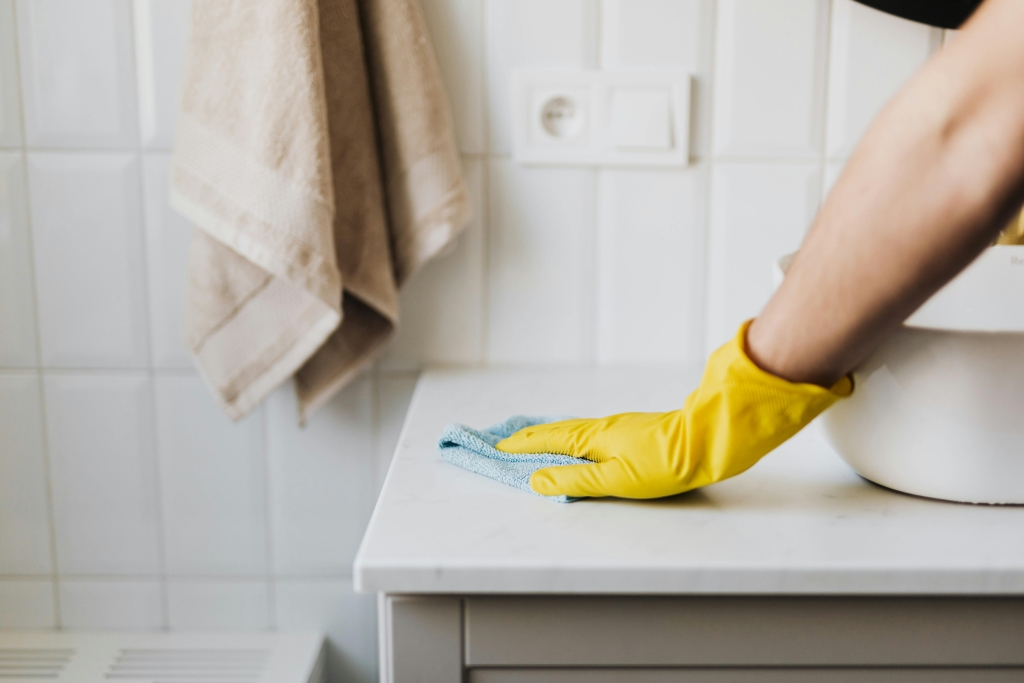
To use cleaning equipment properly, always read instructions, wear PPE, choose the right tool for the job, work top-to-bottom, never mix chemicals, maintain equipment with lubrication, and clean tools after use (rinse cloths, empty vacuums) to ensure safety, effectiveness, and longevity.
General Best Practices
- Read the Manual: Understand your specific equipment’s functions, safety features, and maintenance needs.
- Wear Protective Gear (PPE): Gloves, eye protection, and sometimes masks are crucial, especially with chemicals or high-pressure tools.
- Match Tool to Task: Use specific tools (e.g., dust mops for dust, wet mops for wet spills) to avoid damage or inefficiency.
- Safety First: Place equipment on stable ground, keep cords away from water, and never point jets at people or electrical outlets.
- Top to Bottom: Clean surfaces from high to low so dirt falls onto uncleaned areas.
For Specific Equipment Types
- Vacuum Cleaners: Remove large debris first; check cords for damage; empty or change bags/canisters regularly.
- High-Pressure Washers: Use stable ground, keep distance, adapt pressure, work top-down, and avoid spraying people.
- Microfiber Cloths: Rinse well after use before washing; don’t mix with linty items like cotton; avoid bleach/fabric softener.
- Mops: Dip in clean water, squeeze well, change water frequently, wash thoroughly after use, and dry properly.
- Chemical Cleaners: Never mix unless directed; use correct dilution; rinse thoroughly between different product applications.
Post-Use Maintenance
- Rinse & Dry: Thoroughly rinse cloths, mops, and attachments, then dry them to prevent mold and bacteria.
- Lubricate: Apply lubricant to moving parts as per manufacturer guidelines.
- Store Safely: Keep equipment in a clean, dry, accessible place, out of reach of children.